


 Top Rated Course

We may not have the course you’re looking for. If you enquire or give us a call on + 1-866 272 8822 and speak to our training experts, we may still be able to help with your training requirements.
What is Cyberbullying? Effects and Safety Tips
The Knowledge Academy 29 April 2026Cyberbullying involves using digital platforms like Social Media, apps, or phones to repeatedly harass, threaten, or shame someone, causing emotional harm. It often leaves victims feeling anxious, isolated, and afraid to speak up online. Over time, this ongoing pressure can damage confidence, mental health, and everyday well-being.

Training Outcomes Within Your Budget!
We ensure quality, budget-alignment, and timely delivery by our expert instructors.
Table of Contents
We have all been there. You pick up your phone for a quick scroll, maybe to relax, and then it hits you. A comment that feels targeted. A message that makes your stomach sink. In seconds, your mood changes. Cyberbullying often works this way, subtle at first, but powerful enough to turn everyday online spaces into places of stress and discomfort.
This blog explains What is Cyberbullying, how it affects well-being, and how it appears online. Understanding this helps you recognise harm early and take action. Read on to explore each aspect.
Table of Contents
1) What is Cyberbullying?
2) What are the Impacts of Cyberbullying?
3) What Does Cyberbullying Look Like?
4) Why are Adults With Learning Disabilities More Vulnerable?
5) What Can I Do About Cyberbullying?
6) Cyberbullying and Grooming
7) Conclusion
What is Cyberbullying?
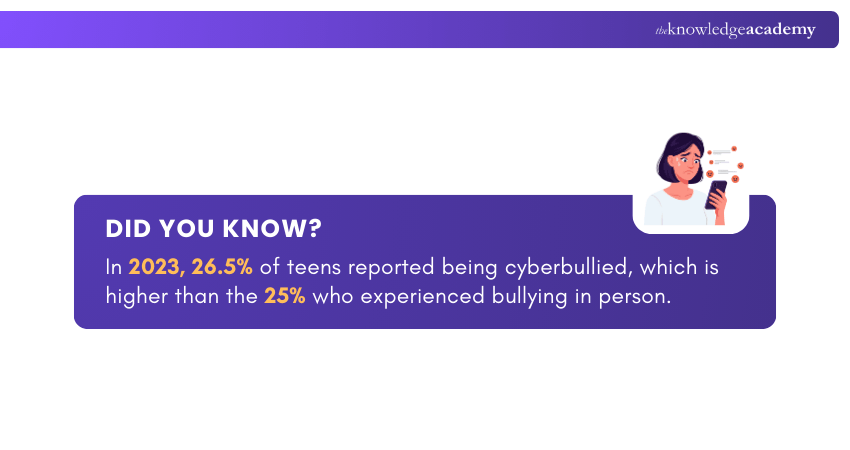
Cyberbullying takes place through digital devices like smartphones, computers, and tablets. It involves using online platforms, such as Social Media, messaging apps, forums, or gaming communities. This is to harass, threaten, humiliate, or intimidate someone.
To fully understand What is Cyberbullying, it is important to know that unlike traditional or offline bullying, it can happen anytime and anywhere, often anonymously. This makes it harder to escape and more emotionally damaging. Key characteristics of Cyberbullying include:
1) Constant Access: Internet availability makes it possible for bullying to continue even in personal or safe spaces.
2) Hidden Identity: Bullies often use fake accounts, which encourages harmful behaviour without getting caught.
3) Rapid Spread: Hurtful content can be quickly shared across platforms, which increases its reach and impact.
What are the Impacts of Cyberbullying?
Cyberbullying can affect people in serious and long-lasting ways. It impacts mental health, emotional well-being, and even physical health, making everyday life increasingly difficult for victims over time. Below are the key impacts of Cyberbullying on overall well-being:
1) Mental Effects
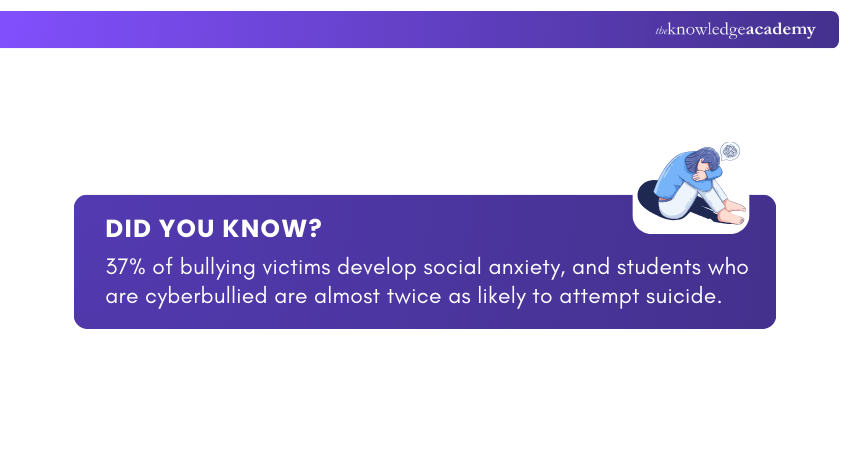
Cyberbullying can deeply affect mental health by creating constant stress and fear. Repeated harassment may lead to anxiety, depression, and emotional trauma that lasts even after the bullying stops. Sleep problems are common, which further weakens mental recovery.
2) Emotional Effects
The ongoing negativity and humiliation caused by Cyberbullying can leave lasting emotional scars. Victims may feel shame, withdraw from others, or struggle with anger and frustration. Over time, these emotions can affect self-esteem, trust, and relationships.
3) Physical Effects
The mental and emotional strain of Cyberbullying often shows up physically. Stress can cause headaches, digestive problems, and ongoing fatigue. Long-term pressure may also weaken the immune system, making individuals more vulnerable to illness.
Stop fraud early and act with precision – Sign up for our Fraud Analytics Training now!
What Does Cyberbullying Look Like?
Cyberbullying can take many different forms online and is often referred to as online bullying. It includes name-calling, abusive messages, spreading false rumours, or behaviour intended to hurt or embarrass another person.
There are several common ways a person may experience Cyberbullying:
1) Harassment & Threats: Sending abusive, hateful, or threatening messages, texts, or posts online.
2) Rumours & Gossip: Spreading false information or hurtful stories about someone on digital platforms.
3) Impersonation: Creating fake profiles or hacking accounts to pretend to be someone else and share harmful content.
4) Outing & Doxing: Sharing private, sensitive, or embarrassing information, such as photos, videos, or personal details, without consent.
5) Exclusion: Intentionally leaving someone out of online groups, chats, games, or social platforms.
6) Stalking & Trolling: Repeatedly sending upsetting messages or closely monitoring someone’s online activity to provoke distress.
7) Inappropriate Content: Posting embarrassing images, editing photos to mock someone, or tagging people in hurtful posts.
8) Abusive Polls: Creating online polls or votes designed to shame, humiliate, or target someone negatively.
Why are Adults with Learning Disabilities More Vulnerable?
Adults with learning disabilities may face higher risks because they can struggle to understand complex situations, recognise danger, or communicate their needs. This can make it harder to set boundaries or respond quickly when something feels wrong.
Social factors such as exclusion, discrimination, and limited access to support can further increase vulnerability. Communication barriers, stigma, and poorer health outcomes may leave individuals more exposed to exploitation, abuse or neglect, both online and offline.
Stop cyberattacks before they spread – register for our Incident Response Course today!
What Can I Do About Cyberbullying?
Being Cyberbullied can feel upsetting, but you do not have to face it alone. If you experience bullying online, speaking to someone you trust is the first and most important step. Acting early can help stop the behaviour, ease emotional stress, and make online spaces safer. Here are some steps you can take.
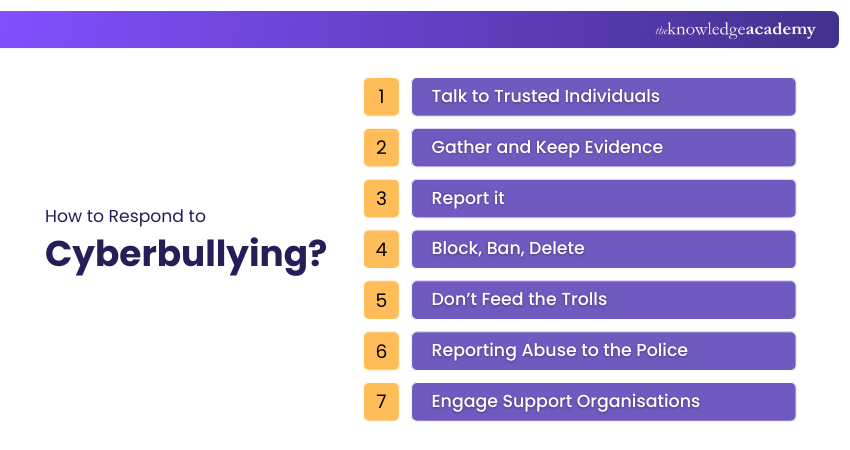
1) Talk to Trusted Individuals: Share what is happening with someone you trust, such as a parent, friend, teacher, colleague, or carer. Speaking up early helps you feel supported and take action sooner.
2) Gather and Keep Evidence: Save screenshots, messages, posts, dates, and times before deleting anything. Keeping records makes reporting easier and helps show patterns of bullying.
3) Report it: Use the reporting tools on Social Media platforms, apps, or websites to flag abusive content or accounts so action can be taken.
4) Block, Ban, Delete: Block the person, remove them from your contacts or followers, and update privacy settings to prevent further contact.
5) Don’t Feed the Trolls: Avoid responding when you feel upset or angry, as reactions often encourage bullies. Stepping away protects your well-being.
6) Report Abuse to the Police: Contact the authorities if the bullying includes threats, stalking, blackmail, or makes you feel unsafe, as this behaviour may be illegal.
7) Engage Support Organisations: Reach out to support services, charities, or helplines for confidential advice, emotional support, and guidance. You do not have to handle this alone.
Cyberbullying and Grooming
Cyberbullying involves repeated online behaviour such as threats, intimidation, abusive language, or the sharing of false or private information. These actions are intended to harm, frighten, or control the victim and can cause long-lasting emotional distress.
Grooming is a hidden form of online harm, where someone builds trust by appearing supportive or friendly. This false sense of connection makes it harder for victims to recognise abuse or report it, especially when there is a power imbalance between those involved.
Conclusion
Cyberbullying can start with a message but leave lasting scars if ignored. Knowing What is Cyberbullying empowers individuals to recognise abuse, speak up early, and take control online. With the right support, clear action, and awareness, we can break the cycle, protect wellbeing, and build kinder, safer digital spaces for all.
Protect your data from evolving digital threats – Sign up for Cyber Security Risk Management Course now!
Frequently Asked Questions
Why is Cyberbullying Such a Big Problem?

Cyberbullying is a serious problem because it can happen at any time and spread rapidly online. Hurtful messages or images can reach many people instantly, making the abuse hard to escape. This constant exposure can cause lasting emotional harm and negatively affect mental well-being.
How Does Cyberbullying Make You Feel?
Cyberbullying can make people feel hurt, anxious, and alone. Constant negative messages or public humiliation can lower confidence and create fear of being online. Over time, these feelings may lead to stress, sadness, and a sense of isolation, affecting mental well-being and everyday life.
What are the Other Resources and Offers Provided by The Knowledge Academy?
The Knowledge Academy takes global learning to new heights, offering over 3,000+ online courses across 490+ locations in 190+ countries. This expansive reach ensures accessibility and convenience for learners worldwide.
Alongside our diverse Online Course Catalogue, encompassing 17 major categories, we go the extra mile by providing a plethora of free educational Online Resources like Blogs, eBooks, Interview Questions and Videos. Tailoring learning experiences further, professionals can unlock greater value through a wide range of special discounts, seasonal deals, and Exclusive Offers.
What is The Knowledge Pass, and How Does it Work?
The Knowledge Academy’s Knowledge Pass, a prepaid voucher, adds another layer of flexibility, allowing course bookings over a 12-month period. Join us on a journey where education knows no bounds.
What are the Related Courses and Blogs Provided by The Knowledge Academy?
The Knowledge Academy offers various Cyber Security Training, including the Cyber Security Awareness Training, Social Engineering Training, and Fraud Analytics Training. These courses cater to different skill levels, providing comprehensive insights into ARP Spoofing.
Our IT Security & Data Protection Blogs cover a range of topics related to Cyberbullying, offering valuable resources, best practices, and industry insights. Whether you are a beginner or looking to advance your IT Security & Data Protection skills, The Knowledge Academy's diverse courses and informative blogs have got you covered.

The Knowledge Academy


Global Training Provider
The Knowledge Academy is a world-leading provider of professional training courses, offering globally recognised qualifications across a wide range of subjects. With expert trainers, up-to-date course material, and flexible learning options, we aim to empower professionals and organisations to achieve their goals through continuous learning.

Upcoming IT Security & Data Protection Resources Batches & Dates
Date
 Cyber Security Awareness Training
Cyber Security Awareness Training
Fri 11th Sep 2026
Cyber Security Awareness Training
Fri 4th Dec 2026

 If you wish to make any changes to your course, please


