


 Top Rated Course

We may not have the course you’re looking for. If you enquire or give us a call on +44 1344 203 999 and speak to our training experts, we may still be able to help with your training requirements.
VFX vs CGI: What's the Difference?
Richard Harris 28 April 2026Are you an aspiring Visual Effects Artist? VFX & CGI bring imagination to life on screen, pushing the boundaries of visuals for immersive storytelling. Let's dive into the fascinating world of VFX vs CGI to unravel their differences and discover their unique contributions to the cinematic landscape. Keep reading to learn more.

Training Outcomes Within Your Budget!
We ensure quality, budget-alignment, and timely delivery by our expert instructors.
Table of Contents

Confused by the terms VFX and CGI? You're not alone! The world of filmmaking is filled with technical terms, and understanding the difference between VFX vs CGI can be tricky. While both are crucial for creating stunning visuals, they serve distinct purposes.
VFX, or Visual Effects, encompasses the entire spectrum of techniques used to manipulate a film's visuals after filming. This includes everything from Computer-Generated Imagery (CGI) to compositing (layering images together) to practical effects (like explosions or stunts). CGI, on the other hand, refers specifically to the creation of images using computer software. Think of it as a tool within the broader VFX toolbox.
Ready to untangle the web of VFX vs CGI? This blog will delve into the key differences between the two. We'll explore the specific uses of each, provide real-world examples, and help you confidently navigate these filmmaking terms.
Table of Contents
1) What is VFX?
2) What is CGI?
3) VFX vs. CGI: Key Differences
4) Conclusion
What is VFX?
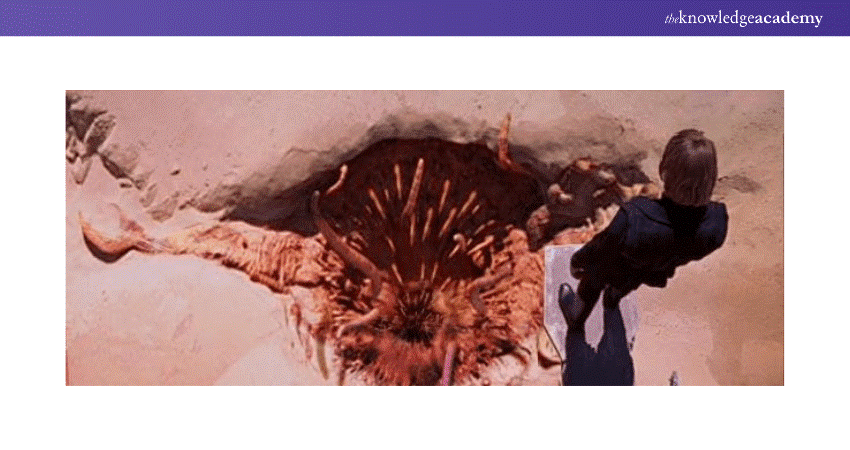
VFX, short for Visual Effects, involves crafting digital imagery to produce scenes that are challenging or impossible to film in reality. It's extensively utilized across various sectors, including advertising, gaming, and cinema. Renowned firms like Weta Digital, Framestore, and Moving Picture Company excel in delivering these specialized effects. If you're interested in pursuing a career in this dynamic field, discovering how to become a VFX artist can help you take the first steps toward joining these top companies and contributing to the world of VFX.
Benefits of VFX
a) VFX enables the creation of complex characters, objects, and environments that are impractical to produce on set.
b) It enhances the visual appeal of videos, making them more captivating.
c) Special effects boost viewer engagement and retention.
d) The VFX industry is burgeoning, offering numerous career prospects.
Challenges of VFX
a) VFX production is intricate and time-intensive
b) It demands a workforce with specialised skills to execute effectively

What is CGI?
CGI, or Computer-Generated Imagery, encompasses all digital creations made using computer technology. It's a versatile tool for crafting digital art, including images, illustrations, and animations, in both static and dynamic forms, as well as in two and three dimensions. Software like Maya and Adobe After Effects are instrumental in producing CGI content.

Benefits of CGI
a) CGI significantly improves the visual quality of characters in films.
b) It’s applicable across various domains, such as Augmented Reality (AR) and Virtual Reality (VR).
c) By offering superior visual experiences, CGI bolsters a brand’s reputation.
Challenges of CGI
a) The software required for crafting 3D models can be expensive
b) Mastering CGI techniques often involves a substantial time investment
Learn how to make logic to decide the behaviour of your epic game with our Unreal Engine 4 Game Development Training – join today!
VFX vs. CGI: Key Differences
Here are the key differences between VFX vs. CGI:
|
Criteria |
VFX |
CGI |
|
Adaptability |
VFX is adaptable to various production environments, allowing for integration with live-action footage. |
CGI is less flexible once creation has begun, as changes can be costly and time-consuming. |
|
Creation Techniques |
Combines live-action footage with digital enhancements and practical effects. |
Involves creating photorealistic or stylised images from scratch using computer software. |
|
Scheduling and Planning |
Requires careful planning to integrate digital elements with live-action footage. |
Planning is centred around the digital creation process, which can be lengthy but more predictable. |
|
Realism vs Creativity |
Aims for realism, enhancing or altering reality without breaking immersion. |
Offers more creative freedom, creating entire scenes or characters that may not exist in reality. |
Adaptability
In Filmmaking Process, Visual Effects or VFX are versatile elements that can easily be incorporated into stories. It can be employed to add digital items to the live-action scenes in order to devise scenes that are too expensive, risky, or impracticable to shoot. This versatility enables directors to expand the creative possibilities of the selected locations by incorporating elements of creativity into live images of reality.
Computer-Generated Imagery (CGI), which is a form of 3D modelling, is also more fluid during its creation but offers less freedom after it is produced. That is why, when CGI is used for a sequence that is then animated, further alterations could be very difficult and lengthy. However, CGI offers filmmakers the best chance of having seemingly limitless ability to construct entire worlds on-screen, which affords filmmakers nearly complete autonomy in pre-production phase.
Creation Techniques
The mechanisms of creating VFX are manifold, ranging from practical stunts, shooting on location, and compositing. This blend demands a great extent of integration between various departments, from set personnel to other teams in the post-production process. The cut and edit must flow seamlessly and for this to occur the VFX artists must rotate the digital layers to complement the existing live footage.
CGI originates from digital art where various elements such as modelling, texturing, rigging, and animating are used in the creation of graphics. It is one that requires creativity and practicality mainly because of the way it needs to be done. CGI artists create everything from scratch and that means that there is every possibility of the artists dictating the visual aspects of the work, though this process consumes a lot of time and resources.
Scheduling and Planning
Timing, particularly when it comes to VFX, can be critical, since this work usually consists of crafting digital effects to be combined with the live-action footage that has been shot during production. This, however, can be quite challenging as it demands impeccable synchronisation and earnest consideration in terms of how the effects will overlap with the components being filmed. VFX can be shot at any point in the process and are to be timed, planned strategically to blend in with the actual living shoot.
CGI scheduling and planning are aimed at building an animated model for any real object utilised in the motion picture. This process is generally less challenging than shooting the live action that requires one to wait for specific factors such as weather or the availability of the cast. However, CGI can take much time in production due to the complexity involved in such kind of projects, especially when it has stringent requirements of high quality and intricate details.
Realism vs Creativity
The purpose of VFX is most commonly to look as realistic as possible, ensuring that the viewers would not be able to tell which parts of the scenes were shot with the actors and which were added in post-production. To achieve the organic integration of Visual Effects with the film, VFX artists endeavour for the differentiation between the imagined creatures within the world of the film and real ones to be unrealised Target Audience.
CGI has more opportunities for creativity when compared to compositing since it entails developing different scenes or characters which can be non-existent in the physical plane. This makes more room for creativity and one can literally design and dream as they wish since it is not restricted by certain rules. CGI can be employed to make real all sorts of objects including mythical beings to futuristic towns.
>Understand how to create visuals in Pygame with our Python Game Development Training with Pygame – join today!
Conclusion
We hope you read this blog and understand the differences between VFX vs CGI. Now you're a VFX and CGI pro! So next time you're dazzled by a movie's visuals, you can appreciate the intricate dance between CGI's digital creations and the broader world of VFX Softwares that brings them to life.
Learn how to track motion and match moving to integrate graphics with our VFX Visual Effects Training – join today!
Frequently Asked Questions
Which is Better CGI or VFX?

CGI and VFX serve different purposes; neither is inherently better. CGI is a component of VFX, focusing on creating computer-generated imagery, while VFX encompasses all digital and practical effects used to enhance or create scenes.
How Does CGI Improve Movies?
CGI improves movies by creating realistic, imaginative scenes that are impossible or impractical to film. It enhances visual storytelling, allows for intricate details, and brings fantastical elements to life, making films more engaging and visually appealing.
How Does CGI Improve Movies?
CGI is extensively used because it offers unparalleled flexibility and creativity, allowing filmmakers to create detailed, complex scenes efficiently. It reduces costs associated with practical effects, enables safe portrayal of dangerous stunts, and meets the high visual expectations of modern audiences.
What are the Other Resources and Offers provided by The Knowledge Academy?
The Knowledge Academy takes global learning to new heights, offering over 3,000+ online courses across 490+ locations in 190+ countries. This expansive reach ensures accessibility and convenience for learners worldwide.
Alongside our diverse Online Course Catalogue, encompassing 17 major categories, we go the extra mile by providing a plethora of free educational Online Resources like Blogs, eBooks, Interview Questions and Videos. Tailoring learning experiences further, professionals can unlock greater value through a wide range of special discounts, seasonal deals, and Exclusive Offers.
What is The Knowledge Pass, and How Does it Work?
The Knowledge Academy’s Knowledge Pass, a prepaid voucher, adds another layer of flexibility, allowing course bookings over a 12-month period. Join us on a journey where education knows no bounds.
What are Related Courses and Blogs Provided by The Knowledge Academy?
The Knowledge Academy offers various Game Development Training, including the VFX Visual Effects Training, Unreal Engine 4 Game Development Training and Python Game Development Training with Pygame. These courses cater to different skill levels, providing comprehensive insights into Game Development Process.
Our Programming & DevOps Blogs cover a range of topics related to Visual Effects, offering valuable resources, best practices, and industry insights. Whether you are a beginner or looking to advance your Video Editing skills, The Knowledge Academy's diverse courses and informative blogs have got you covered.

Richard Harris


Senior Full Stack Developer and Technology Educator
Richard Harris is a highly experienced full-stack developer with deep expertise in both frontend and backend technologies. Over his 12-year career, he has built scalable web applications for startups, enterprises and government organisations. Richard’s writing combines technical depth with clear explanations, ideal for developers looking to grow in modern frameworks and tools.

Upcoming Programming & DevOps Resources Batches & Dates
Date
 VFX Visual Effects Training Course
VFX Visual Effects Training Course
Fri 26th Jun 2026
VFX Visual Effects Training Course
Fri 18th Sep 2026
VFX Visual Effects Training Course
Fri 4th Dec 2026

 If you wish to make any changes to your course, please


