


 Top Rated Course


We may not have the course you’re looking for. If you enquire or give us a call on +971 8000311193 and speak to our training experts, we may still be able to help with your training requirements.
What is Cortisol? How to lower it, Symptoms, and Causes
Michael Jones 04 February 2026The question – What is Cortisol? can be answered in great detail. It’s the stress hormone that keeps you alert but can wreak havoc when out of balance. You’ll feel anxious, fatigued, or even gain weight. High cortisol levels can impact sleep, immunity, and metabolism, making it crucial to manage stress, diet, and lifestyle.

Training Outcomes Within Your Budget!
We ensure quality, budget-alignment, and timely delivery by our expert instructors.
Table of Contents

Cortisol this, and cortisol that, but what is it exactly? Do you constantly feel like you are on edge, struggling with sleep, or experiencing unexplained weight gain? Your cortisol levels might be the culprit! What is Cortisol? It’s a hormone crucial for handling stress, but too much of it can wreak havoc on your body, leading to fatigue, anxiety, and even long-term health issues.
Understanding What is Cortisol and how to manage it can be a game-changer for the well-being of the human body. From diet tweaks to lifestyle changes, there are many ways to keep this stress hormone in check. Let’s see how cortisol affects you and the best strategies to lower it naturally!
Table of Contents
1) What is Cortisol?
2) What Does Cortisol Do to Your Body?
3) Ways to Lower Cortisol Levels
4) High Cortisol Levels Symptoms
5) High-Level Cortisol Causes
6) How to Test for High Cortisol Levels?
7) Conclusion
What is Cortisol?
The adrenal glands are responsible for cortisol, one of the most important steroid hormones for the body. While it helps regulate metabolism, blood pressure, and inflammation, it is often referred to as the stress hormone due to its primary trigger. Its secretion increases while the body is under stress, and so do the energy levels, focus, and attention span. Non-essential body functions such as digestion and immune responses are also suppressed.

Having cortisol in the blood stream results in a short-term positive reaction, however, when cortisol is constantly elevated, that is when problems begin to arise. High amounts of cortisol can lead to negative health effects over time, even though it is important for survival. The constant state of stress, unhealthy diets, and restlessness increase cortisol production and result in fatigue, anxiety, excess weight, and Hypertension.
What Does Cortisol Do to Your Body?
Although it is vital for survival, prolonged elevated levels due to chronic stress can result in health problems such as weight gain, anxiety, and a weakened immune system. Here is how cortisol controls metabolism, stress, and even immune functions:
a) Manages Stress Response: Energy is provided while restraining non-essential processes for the body that manages the stress response.
b) Regulates Metabolism: Fats, proteins, and carbohydrates are broken down with the assistance of metabolism which is then regulated.
c) Controls Blood Sugar Levels: Maintaining the glucose levels helps prevent sudden drops which controls blood sugar levels.
d) Influences Blood Pressure: This Helps in keeping the blood pressure of the body stable and regulates the proper blood in the body
e) Impacts Immune Function: Can suppress immunity when levels are high for too long.
f) Affects Sleep: This may disrupt sleep patterns which can lead to fatigue and restlessness of the body.
Ways to Lower Cortisol Levels
Cortisol helps when dealing with stress, but if a person has high cortisol for a prolonged period, it can result in health issues. The adoption of changes for a Healthy Lifestyle can help bring down cortisol levels which is excellent for managing stress. Check out these changes that work:
1) Balanced Diet
Having a balanced diet helps in maintaining blood sugar levels which can be done by whole foods, lean proteins, fats, and fibre rich diets. Cortisol levels would otherwise rise due to stressed and inflamed bodies caused by highly processed foods, excess sugar, and refined carbohydrates.
2) Omega-3s
Fatty fish, flax seeds, and walnuts produce omega-3 that has been shown to help lose inflammation and reduce cortisol output. Omega-3's have been shown through studies to mitigate stress, as they also positively impact the brain by improving mood and lessening anxiety.
3) Regular Meals
Eating patterns such as skipping meals are unhealthy because they lower one’s blood sugar. This entails anxiety which can over activate cortisol and escalate . Reviewing a Blood Sugar Diet Plan PDF can help regulate your eating habits. One’s chance of overdosing on cortisol can be avoided by eating around the same time, every day.
Transform your diet and health with our Nutrition Course - Sign up now!
4) Limit Caffeine
Though caffeine can offer a temporary energy boost, excessive consumption can result in heightened cortisol levels. This can happen specially if it is consumed during evening. Reducing caffeine intake, adopting herbal teas, or refraining from coffee after lunch can aid in regulating cortisol and improving sleep quality.
5) Gut Health
A healthy gut plays a ground-breaking function in stress management. Lowers inflammation and cortisol levels in the body. Foods such as fruits, vegetables, whole grains, and dairy products such as yogurt and kefir can start or supplement the body's Probiotics intake.

6) Screen Break
Increased television or phone usage, especially at night, increases stress and can cause sleep deprivation. Specialists note that the blue light from the screens reduces melatonin levels and increases cortisol levels resulting in worsened sleep quality. Intermittent fasting of sorts when no electronics are used can greatly help reduce stress.
7) Adequate Sleep
A significant impact can be seen in cortisol production because of inadequate sleep. If the body is suffering from sleep deprivation, it goes into over-drive producing cortisol to ensure alertness. Ensuring proper sleep which will lead to a reduction in daily average cortisol levels.
8) Regular Exercise
Exercise is a natural method to reduce cortisol. It is one of the most beneficial ways to do so. Moderate-intensity activities, such as walking, swimming, or yoga, are very good at reducing stress hormones after all. Unchecked high-intensity workouts on the other hand may increase cortisol levels. Again, balance is key.
9) Stress Techniques
Deep breathing, meditation, and yoga calm the body and can lower the amount of cortisol produced, so mindfulness techniques are helpful. It is also effective to do hobbies, listen to music, or take a restorative walk in nature to relieve stress.

10) Supplements Option
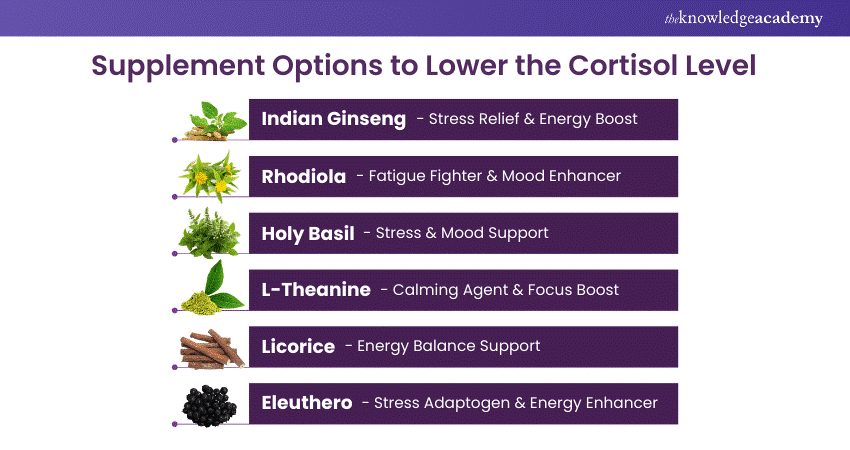
Some supplements are believed to aid in the natural reduction of cortisol levels. Magnesium helps in relaxing the nervous system, Indian Ginseng (Ashwagandha) is an adaptogenic herb hailed for its stress-relieving properties, and vitamin C, which provides support to the adrenal glands by preventing over-production of cortisol.
Learn the tips for a healthy lifestyle with our Active And Healthy Lifestyles Training - Register now!
High Cortisol Levels Symptoms
Excessive cortisol creates an imbalance in the human body. This results in the body gaining excess weight, suffering from fatigue and anxiety, losing immunity, developing high blood pressure, and having digestion problems. Cortisol in excess also affects sleep patterns, and emotions which increases the chances of chronic health problems developing. If these symptoms are recognised early on, then cortisol levels can be managed consequently:

a) Weight Gain: Cortisol makes it easy to gain fat around one’s belly which proves challenging to lose and because of this excess cortisol, people tend to gain a lot of weight.
b) High Blood Pressure: Cortisol results in the blood vessels tightening leading to an increased heart rate over an extended duration, leading the individual towards long term hypertension.
c) Fatigue & Sleep Disturbances: High cortisol makes it hard to sleep and the person remains restless with fatigue persisting over time.
d) Anxiety & Mood Swings: This excess hormone leads to the brain altering its chemistry resulting in a person feeling on edge, irritated, nervous, and having erratic emotions.
e) Weakened Immune System: High levels of cortisol make it challenging for the immune system to function properly resulting in the body frequently getting infections and recovering slowly.
f) Digestive Issues: Too much stress leads to a person's gut balance getting disrupted causing nausea, bloating, acid reflux, and problems associated with irritable bowel syndrome.
High-level Cortisol Causes
While cortisol is needed for energy and getting things done, extended elevated levels can lead to negative impacts on mental well-being the immune system, cause unwanted weight gain, and add to anxiety. Once knowing the reasons behind high levels of cortisol, one is better equipped to deal with stress and make certain lifestyle changes to bring back the balance. Following are some causes of those:

a) Chronic Stress: If the reason behind stress is not treated, the anxiety will keep increasing along with the blood cortisol level.
b) Lack of Sleep: Such lack of restoration together with cognitive effort results in tiredness that hinders the ability to focus on work and balance cortisol.
c) Excessive Caffeine or Sugar: Encourages the release of cortisol which results in fatigue and stress.
d) Over-exercising: More than the necessary number of stamina sapping activities worsens exhaustion and increases cortisol.
e) Poor Diet: Foods that are not wholesome and lack certain vitamins can result in the triggering of inflammation and at the same time elevate cortisol.
f) Medical Conditions: Depression as well as obesity and Cushing's syndrome can cause a surge in cortisol levels.
Breathe, relax, and transform the journey of inner peace with our Meditation Course - Join now!
How to Test for High Cortisol Levels?
If you suspect excessive production of cortisol, some medical tests can be conducted on you to check the levels of the hormone in your blood. These cortisol-related tests can be performed in varying ways and at different times of the day to ensure the utmost accuracy.
a) Blood Test: Usually, blood samples are collected in the morning, at a time when cortisol levels are supposed to be highest in the bloodstream, to evaluate the amount of cortisol in the blood.
b) Saliva Test: Those suffering from conditions like Cushing’s syndrome where they have higher levels of nightly cortisol are diagnosed with this test. Saliva samples are collected during the later hours of the day when cortisol is at its lowest.
c) Urine Test (24-hour Urinary Free Cortisol Test): The collection of 24-hour urine samples helps calculate the total amount of cortisol produced in a day. This measurement is helpful for identifying constant elevated levels of cortisol over long time durations.
d) Dexamethasone Suppression Test: A blood sample is taken in the morning after patients take a synthetic steroid called dexamethasone at night. Doing so will determine whether the blood sample will show lower cortisol levels. This test helps identify the overproduction of cortisol by the adrenal or pituitary glands.
Conclusion
While controlling stress requires cortisol, too much of it can disrupt your health and cause weight gain, anxiety, tiredness, and other problems. Good lifestyle choices—eating well, sleeping adequately, working mindfully, and properly managing stress—are the secret to maintaining balance. If symptoms continue, measuring your cortisol levels and consulting a doctor can be useful. Taking charge of your well-being will help you lower stress and enhance your mental as well as physical state.
Transform your body from fat to fit with our Nutrition And Fitness Training - Join today!
Frequently Asked Questions
Does Cortisol Affect Recovery?

Yes, by controlling inflammation and energy levels, cortisol is fundamental in healing. On the other hand, too high cortisol from overtraining or persistent stress can impair immunity, slow down muscle recovery, and postpone healing. Retaining normal cortisol by diet, relaxation, and stress control enhances healing.
Can you Reverse the Effects of Cortisol?
Yes, the effects of high cortisol can be reversed by adopting healthy habits. Reducing stress, improving sleep quality, eating a balanced diet, engaging in moderate exercise, and practicing mindfulness can help restore normal cortisol levels. In severe cases, medical intervention may be necessary to manage underlying conditions.
What are the Other Resources and Offers Provided by The Knowledge Academy?
The Knowledge Academy takes global learning to new heights, offering over 3,000+ online courses across 490+ locations in 190+ countries. This expansive reach ensures accessibility and convenience for learners worldwide.
Alongside our diverse Online Course Catalogue, encompassing 19 major categories, we go the extra mile by providing a plethora of free educational Online Resources like Blogs, eBooks, Interview Questions and Videos. Tailoring learning experiences further, professionals can unlock greater value through a wide range of special discounts, seasonal deals, and Exclusive Offers.
What is The Knowledge Pass, and How Does it Work?
The Knowledge Academy’s Knowledge Pass, a prepaid voucher, adds another layer of flexibility, allowing course bookings over a 12-month period. Join us on a journey where education knows no bounds.
What are the Related Courses and Blogs Provided by The Knowledge Academy?
The Knowledge Academy offers various Healthy Lifestyles Training, including the Active And Healthy Lifestyles Training, Nutrition Course and the Meditation Course. These courses cater to different skill levels, providing comprehensive insights into Hypertension (High Blood Pressure).
Our Health & Safety Blogs cover a range of topics related to Healthy Lifestyle, offering valuable resources, best practices, and industry insights. Whether you are a beginner or looking to advance your Healthy Lifestyle Skills, The Knowledge Academy's diverse courses and informative blogs have got you covered.

Michael Jones


Health and Safety Consultant and Compliance Trainer
Michael Jones is a seasoned health and safety expert with more than 15 years of experience in workplace safety, risk management, and compliance training. He has worked across construction, manufacturing, and corporate sectors, helping organisations meet legal requirements and create safer working environments. Michael’s training and writing are known for being practical, clear, and aligned with UK regulations.
View Detail


 If you wish to make any changes to your course, please


