




 To help and support our clients we are providing a limited number of 250 daily discount codes. Hurry, first come, first served!



MSP® Training FAQs
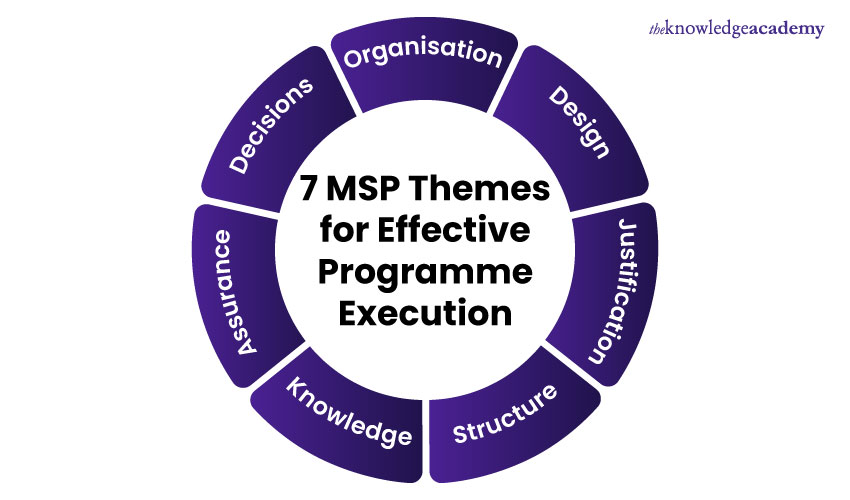
MSP principles, themes, and lifecycle processes are addressed in MSP Training. It educates the management on how to run a strategic programme with business objectives and bring some value within the organisation through MSP programme. This approach makes it a valuable MSP qualification for professionals aiming to lead transformation.
Yes, the MSP® Foundation and Practitioner courses are fully accredited by PeopleCert, ensuring global recognition and alignment with industry standards for programme management. These MSP courses are trusted by organisations worldwide to build programme leadership capability.
MSP® Certification is ideal for Programme Managers, Project Managers, Change Managers, PMO staff, and professionals involved in managing or supporting transformational change initiatives. If you're looking for flexible learning, MSP training online is available to suit your schedule and location.
The Foundation course introduces MSP® principles and terminology. The Practitioner course builds on this by teaching how to apply and tailor MSP® in real-world programme scenarios. These levels ensure a structured path through your Project Management courses in in the United Kingdom, helping you progress confidently.
There are no formal prerequisites for the Foundation level. To attend the Practitioner course, you must have passed the MSP® Foundation exam as required by PeopleCert. This ensures you're ready to advance your MSP Certification journey.
You can take the MSP® exams online at a time that suits you for this MSP Training. The exams are available through remote proctoring, allowing flexible scheduling once your course is complete.
Certificates are typically issued within 72 hours after passing the exam for this MSP Training. You can download them from the MyTKA portal or receive them directly from PeopleCert if externally accredited.
To pass the Foundation exam, you need 60% (36/60). For the Practitioner exam, the pass mark is also 60% (42/70). The Foundation is closed book, while the Practitioner is open book.
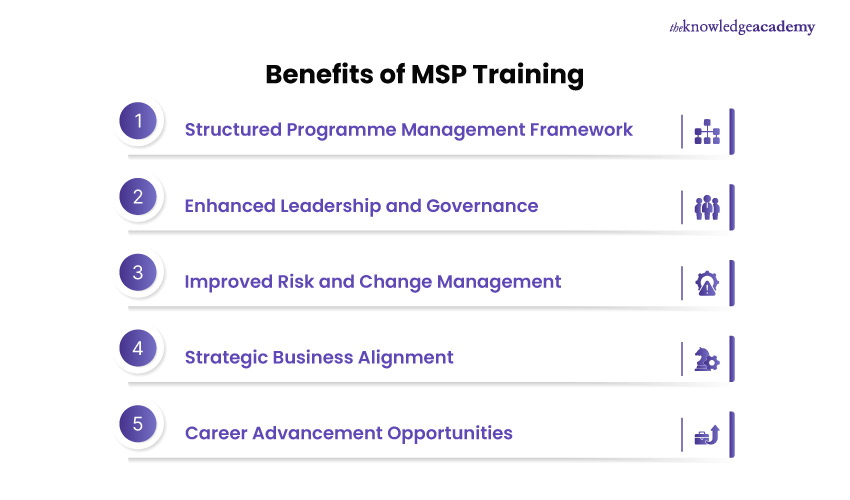
An MSP® Certification from The Knowledge Academy, one of the best training provider, strengthens strategic thinking, enhances change‑management capability, and expands career prospects. Many certified professionals experience a 20–30% rise in advancement opportunities, making it a valuable step in progressing their programme‑management career.
After the MSP Training, the MSP® Practitioner Certification is valid for 3 to 5 years. Re-registration is required to maintain your certified status and demonstrate continued competence.
Yes, MSP® learners with The Knowledge Academy, a Trusted Global Training Provider, receive expert‑led training, digital study resources, mock exams, and tutor support to help them prepare effectively and succeed in their MSP® exams.
MSP® focuses on managing programmes and strategic change, while PRINCE2® is designed for managing individual projects. MSP® deals with multiple projects aligned to business goals.
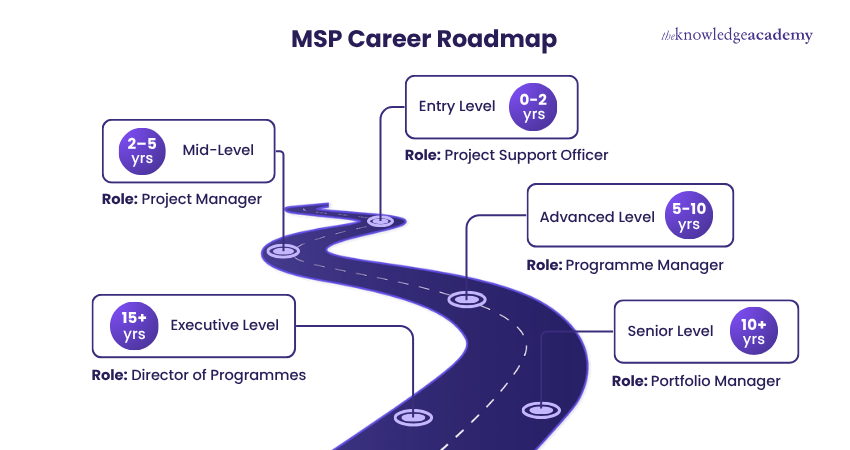
MSP® Certification equips you with tools to lead complex programmes, align with strategic goals, and manage change. It supports progression from project roles to senior programme leadership.
After completing MSP® Foundation or Practitioner Training with The Knowledge Academy, a training provider in the United Kingdom, you can pursue roles such as Programme Manager, Business Change Manager, PMO Analyst, Portfolio Manager, or Director of Programmes, depending on your experience and certification level.
The Knowledge Academy, one of the best training providers, stands out as a prestigious training provider known for its extensive course offerings, expert instructors, adaptable learning formats, and industry recognition. It's a dependable option for those seeking this certification.
Please see our MSP® Training available in the United Kingdom
The Knowledge Academy is one of the Leading global training provider for MSP® Training.
The training fees for MSP® Training in the United Kingdom starts from £3295

Why we're the go to training provider for you

Best price in the industry
You won't find better value in the marketplace. If you do find a lower price, we will beat it.

Trusted & Approved
Recognised by leading certification bodies, we deliver training you can trust.

Many delivery methods
Flexible delivery methods are available depending on your learning style.

High quality resources
Resources are included for a comprehensive learning experience.





"Really good course and well organised. Trainer was great with a sense of humour - his experience allowed a free flowing course, structured to help you gain as much information & relevant experience whilst helping prepare you for the exam"
Joshua Davies, Thames Water



Looking for more information on MSP® Training
Managing Successful Programmes (MSP): All You Need to Know 15+ Questions to Ask Managed Service ProviderMSP Roles and Responsibilities of a Programme ManagerMSP Exam Preparation Guide: Foundation and PractitionerWhat is MSP Change Management? - A Detailed Explanation15+ Questions to Ask Managed Service ProviderWhat are the Benefits of Managing Successful Programmes (MSP)MSP Risk Management: A Complete Beginner’s Guide
15+ Questions to Ask Managed Service ProviderMSP Roles and Responsibilities of a Programme ManagerMSP Exam Preparation Guide: Foundation and PractitionerWhat is MSP Change Management? - A Detailed Explanation15+ Questions to Ask Managed Service ProviderWhat are the Benefits of Managing Successful Programmes (MSP)MSP Risk Management: A Complete Beginner’s Guide 


 If you wish to make any changes to your course, please


